

Bill Craddock is an 87-year-old veteran who retired from the Air Force as a technical sergeant after 21 years of service. He joined the Air Force at age 18.
“There were only two jobs available at that time — a cotton mill or the railroad — and I wasn’t going to work at either one,” Craddock said, “so I decided to go into the military.”
He wanted to join the Navy, but would have had to wait. The Airforce took him right away, beginning basic training in June 1958 in San Antonio, Texas.
“They decided all of a sudden that they needed me in a top-secret field, and after four months of training in Texas, they sent me to Cheyenne, Wyoming for telecommunications and cryptographic,” said Craddock.
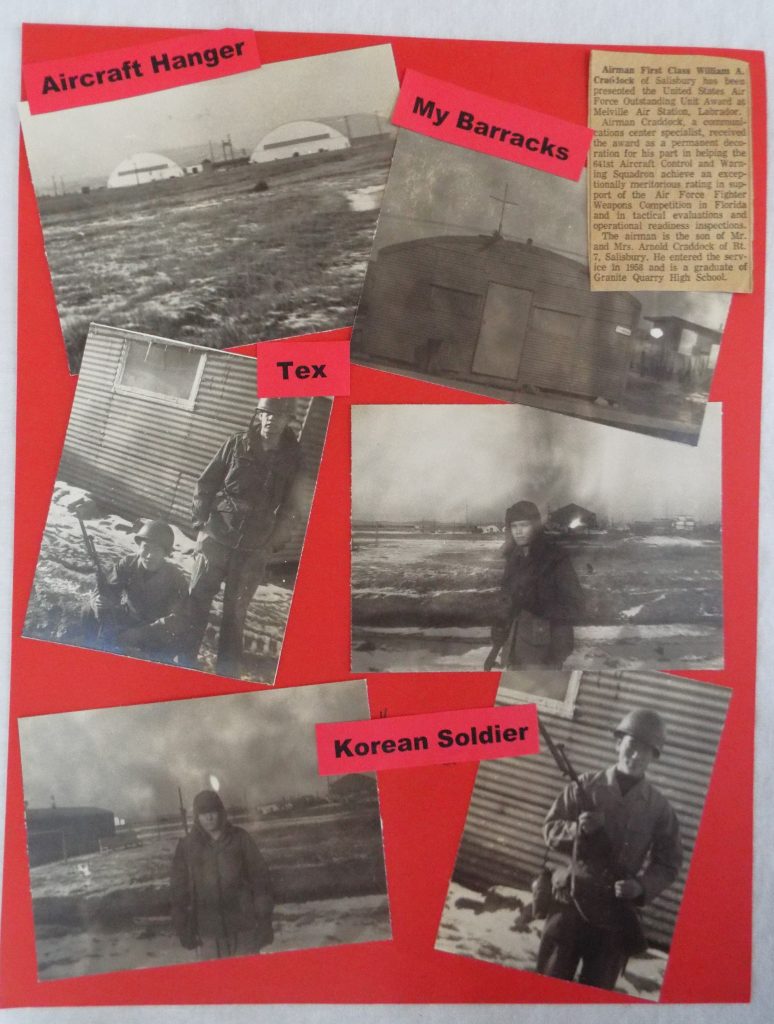
He trained there for four weeks, then received orders for Osan, Korea.

“It was so cold there, the coldest place I’ve ever been in my life,” Craddock recalled. “We stayed in a 12-man tent with one kerosene stove. We had no way of taking a bath. I went three months without taking a bath other than when we took our helmets and collected snow to melt — that’s how we took our baths.
“After that they built some plywood barracks and moved us there. One night someone snuck into the camp and blew up a POL (petroleum, oils, and lubricants) dump on the flightline. They then issued us our weapons. I saw the flames from the fire, then I started seeing flashes — I knew it was rifle fire firing at us. I ended up using all my ammunition, as I shot at everything that moved. It got so hot there.”
Craddock went on to tell about how he got pneumonia that December.
“I was so sick, and they were very concerned about me. They took me to the hospital (and) I stayed there for two weeks getting a penicillin shot in my rear every four hours — it was not fun,” Craddock continued. “After that they came back saying they needed people to go on temporary duty assignment. I volunteered, saying I’ll go anywhere in the world, just get me out of here.
“Fourteen of us were sent to Tachikawa, Japan, and from there they put us on a C-119, an old World War II two-engine plane that we called a flying coffin. I kept seeing one officer keep getting up and looking out of the window, and I wondered what he was looking at. I got up and looked out and saw only one of the two engines was working.”
Craddock said they were told to throw everything possible out of the plane — including their weapons — then sent out an SOS, and put on their life preservers with the parachutes on top of them.
“We were told it may be a day or two before they pick us up. I thought, ‘This is not good,’” Craddock said. “The Sarge told us we were going to hook up to a static line but ‘don’t get out of your parachute until your feet hit the water.’
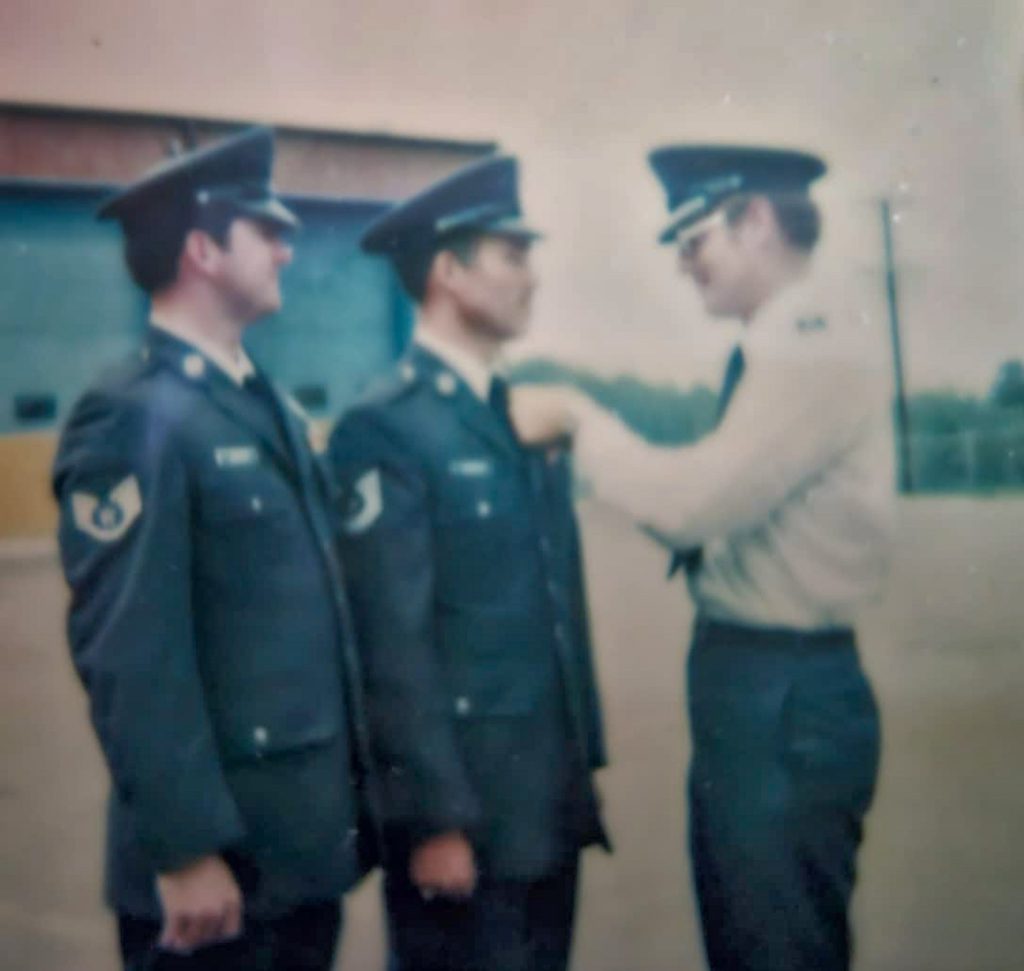
“I told the Sarge I wasn’t jumping, and one other guy said, ‘If Craddock doesn’t jump, we aren’t either’. The Sarge told me I could lose my stripe — I told him he could have my stripe, but I wasn’t jumping.
“The Sarge went up to talk to the pilot; the engine would start and it would run but stop again,” Craddock continued. “It looked like you could reach right down and touch the water. We got down so far that the parachutes wouldn’t work. We finally landed in Okinawa, Japan — hitting the runway bouncing like rubber balls. We made it out of that one.”
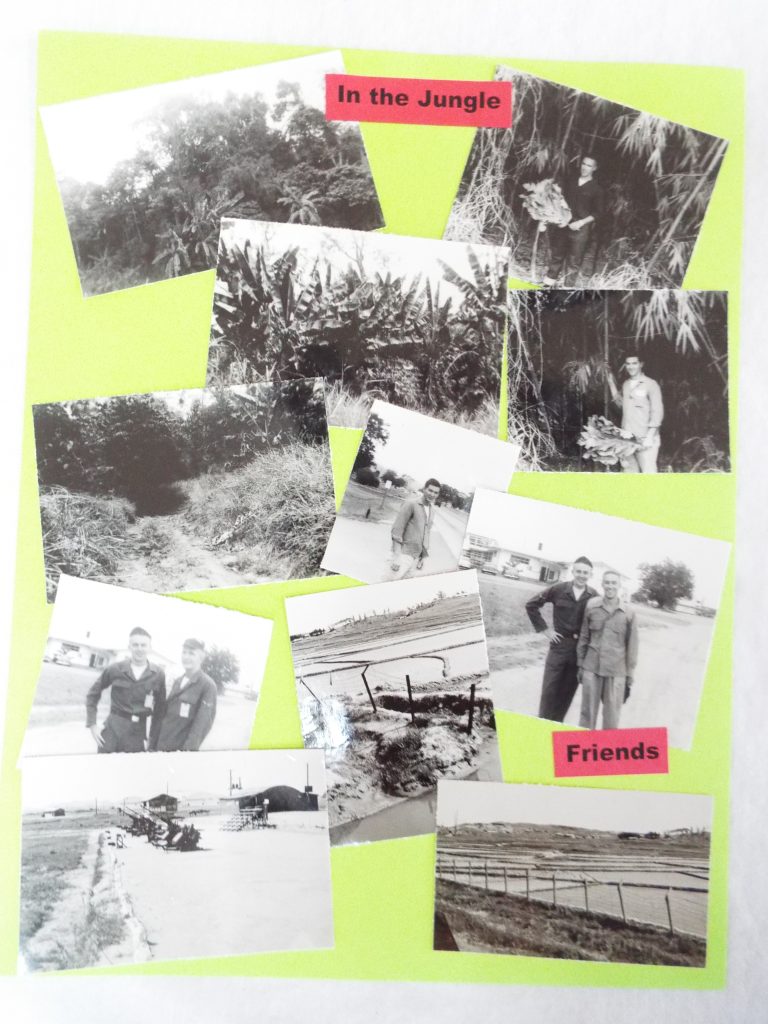
After a couple of days, Craddock said, another plane was sent to pick them all up, but they weren’t told where they were going. They only had the clothes on their backs due to having thrown everything off the previous flight. When they landed, they were in Clarkville, Philippines, and were sent to jungle warfare school. New clothes — and everything else needed — were reissued to each one of them.
“There were little guys called Negritos, Pygmies. They fought for the Americans during World War II and were allowed to live on the base,” Craddock said. “They were the ones who put us through jungle warfare school. The only thing they wore was a loin cloth, and that was it. They taught us how to live in the jungle. We stayed there a month.”
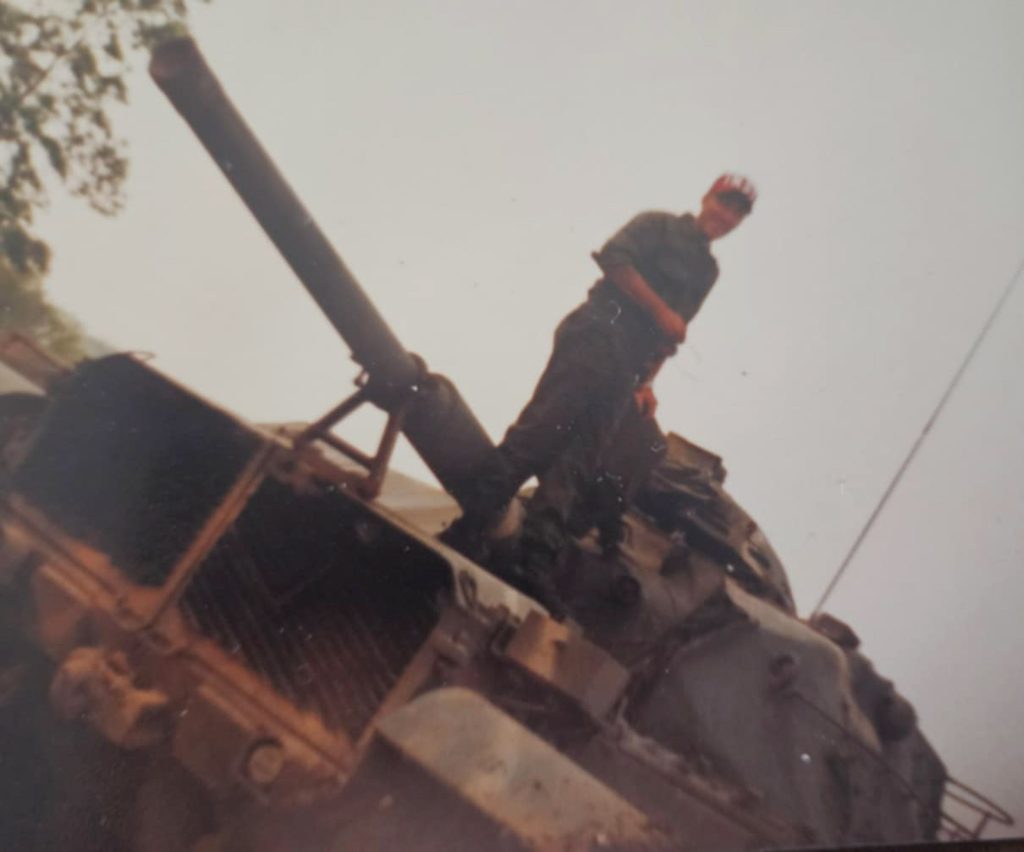
After the jungle training, Craddock says they were sent to Vietnam and set up communications with the embassy. After a month, they were flown back out to Korea.
“I was on guard duty one day at the main gate and kept seeing these children going through trash cans. It was pretty desolate there; houses were made of mud,” Craddock remembered. “I met a guy and asked him what the kids were doing, and he told me they were trying to find food. He also told me they had an orphanage at one time, but it is no longer there.”
Craddock used some of the money he had saved to purchase a 50-pound bag of rice to feed the children. He found some of them living on an old school bus.
“We started an orphanage. I got an army helicopter group that was nearby and, as they would tear down buildings, we would load it up and (we) built them an orphanage,” he said. “I would go down and stay with them when I was off duty. Most of them were part American and part Korean. The Koreans frowned on them. I wanted to adopt one little boy, but they wouldn’t let me because I was single.”
In November 1959, before leaving to come back to the United States, Craddock was honored by those who took care of the children at the orphanage. They gave him a spoon and fork made of silver. He was in Osan, Korea about a year, the second time.
“They would put me on guard duty, because I had top-secret clearance,” he said. “There were certain areas that nobody else could be.”
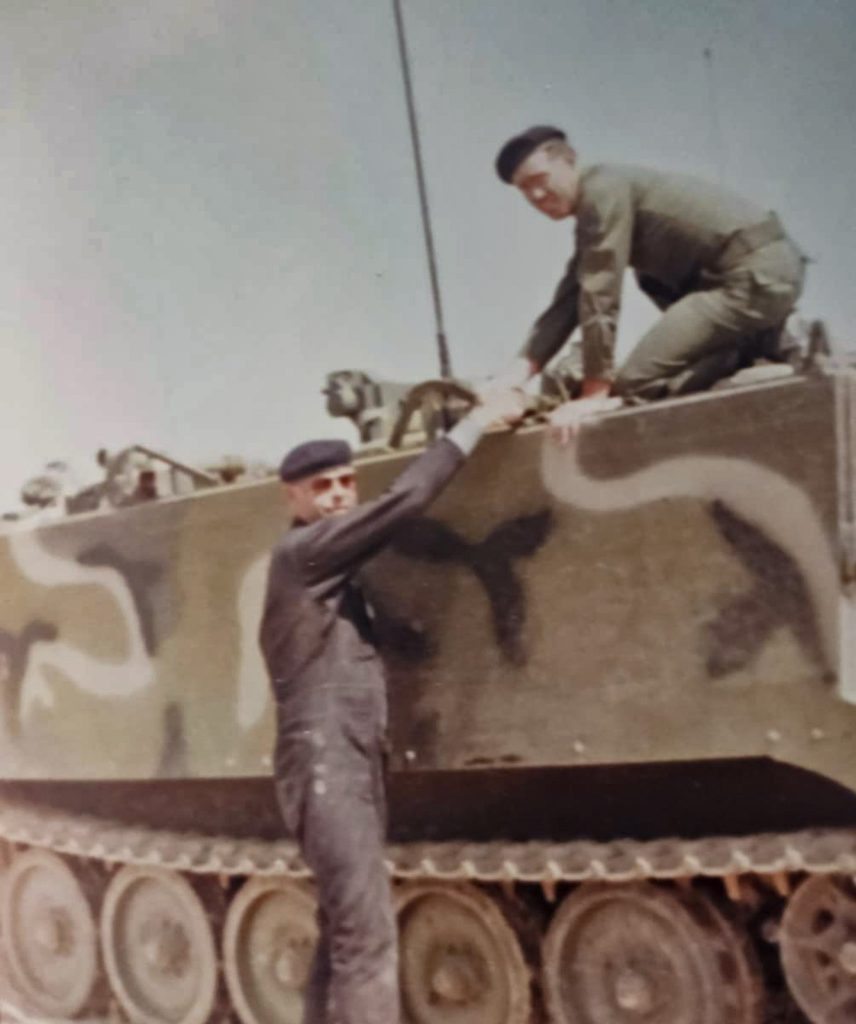
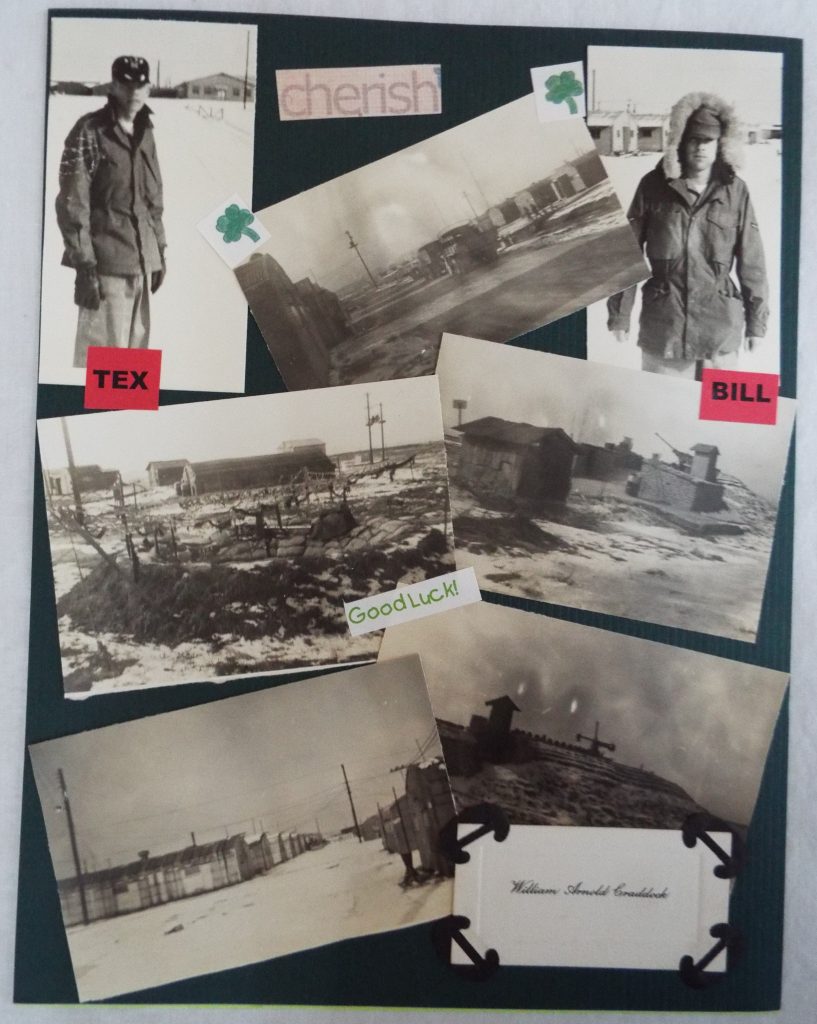
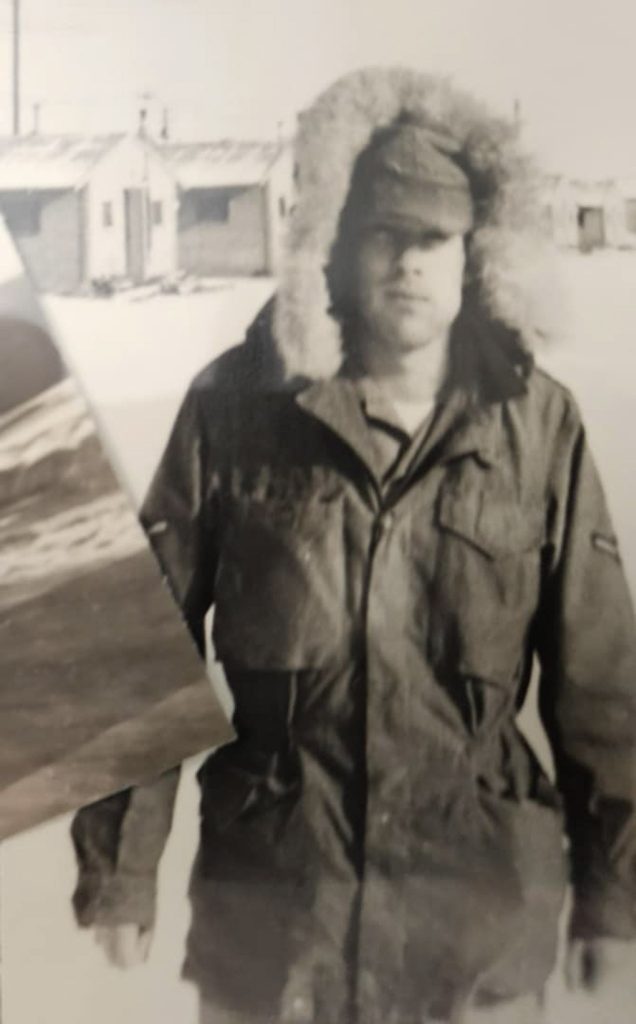
When getting back to the United States, Craddock was assigned to Strategic Air Command in Great Falls, Montana. He stayed there until he re-enlisted, then was sent to Melville Air Station in Labrador, Canada, between Newfoundland and Greenland.
“It was during the Cuban missile crisis,” Craddock recalled. “We were inside a mountain, and we tracked UFOs — which were the Russian Bear bombers that were going down to Cuba. At one point, we lost all communications. We later found there was a Russian troller — supposed to be a fishing boat, but it was not. They were jamming everything we tried to send, but that didn’t last long.
“I was then sent to Clovis, New Mexico, for Air Defense Command. I was told my career field was full, that I had to train in something else,” he continued. “That was fine with me, because the field I was in was mentally one of the worst jobs you could have.
“I picked training and stayed there two years. I was given a choice of two places to be an instructor: Stead (Air Force Base in Reno, Nevada) for rescue and survival instructor or Lackland (Air Force Base) as a drill instructor,” he said. “Lackland was in San Antonio … right back where I started. It was when Vietnam was getting hot. I had to train more Gomer Pyles than you’ve ever seen in your life.”
In 1967, Craddock decided to get out of the Air Force and go into law enforcement —but he missed the military so much that he went back in 1969 as a training instructor. He was sent to school in Denver, Colorado, for chemical warfare. He stayed there until he retired from the 263rd Combat Communications Squadron.
“I always said I glow at night with all the chemicals we played with,” Craddock joked.
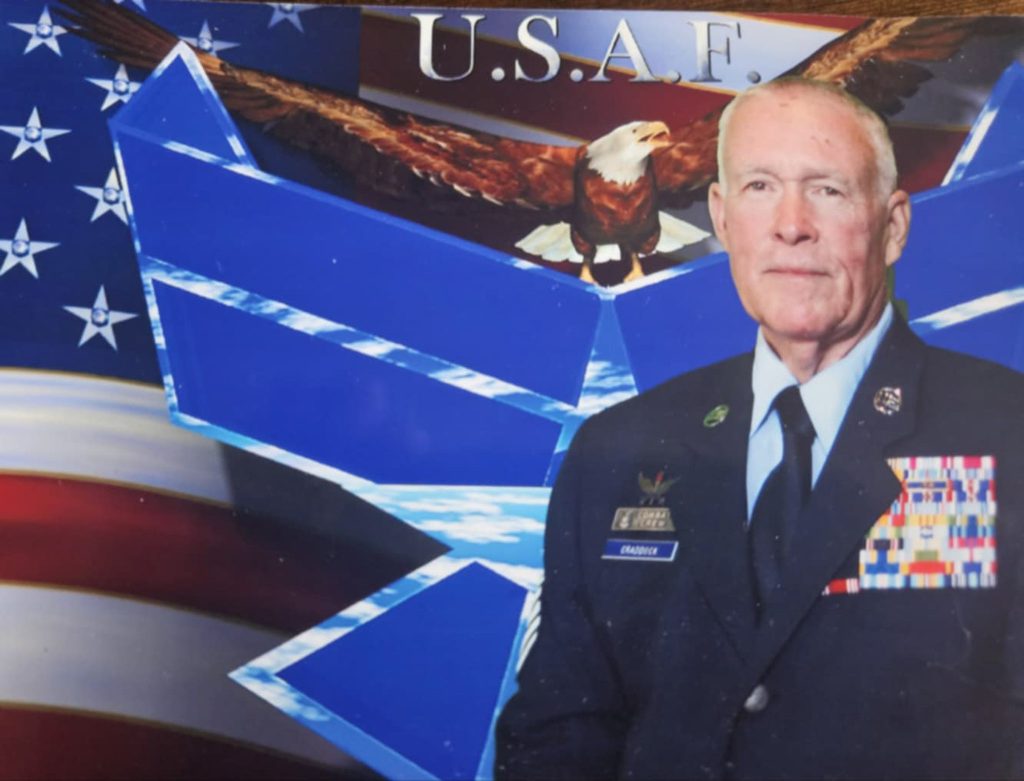
Before retiring and while in Salsbury, Craddock and a friend passed by a house that was on fire and went in to help.
“I kicked the door in and got a guy out that was downstairs, and also a little girl,” he said. “The house was filled with smoke, so I had to crawl up the stairs to get a man who had already passed out from the smoke.”
Craddock got him outside to safety and began mouth-to-mouth resuscitation, bringing him back to life again. The little girl was crying and told Craddock she left her teddy bear. Craddock went back into the burning house with rafters falling to get her teddy bear — his mission was accomplished. He and his friend received an Airman’s Medal for saving their lives; the highest civilian award offered. Craddock saved three people that day.
After retiring again, Craddock went back into law enforcement as a canine officer, tracking people.
“At one time, if a man murdered so many people, he was considered an outlaw,” said Craddock. “I caught the last outlaw of North Carolina. I tracked bank robbers, murderers, and anyone they needed me to.”
He also served in the National Guard and trained new enlistments for warfare training at Camp Atterbury in Indiana for three years.
Craddock has received around 25 medals and awards during his service, including: Army Good Conduct; Air Force Good Conduct; Meritorious Air Force; Presidential Meritorious; Meritorious North Carolina;Airman’s Award; and Drill Instructor.
Along with so many others, Craddock has shrapnel in his body and has dealt with post-traumatic stress disorder. He uses his military experiences to help other veterans in several ways, taking care of their needs.
He has served as commander of Honor Guard in Rowan County, and performed in Baltimore, Maryland, achieving the No. 1 spot in the nation.
Craddock is currently commander of the VFW Post 6183 in Norwood which, is listed as All State and All American. He will also be taking a position in the district as vice commander. A lot of the Post’s members served with him in the National Guard. He began a firing squad which performs funerals for veterans and also teaches flag etiquette in the schools once a year.