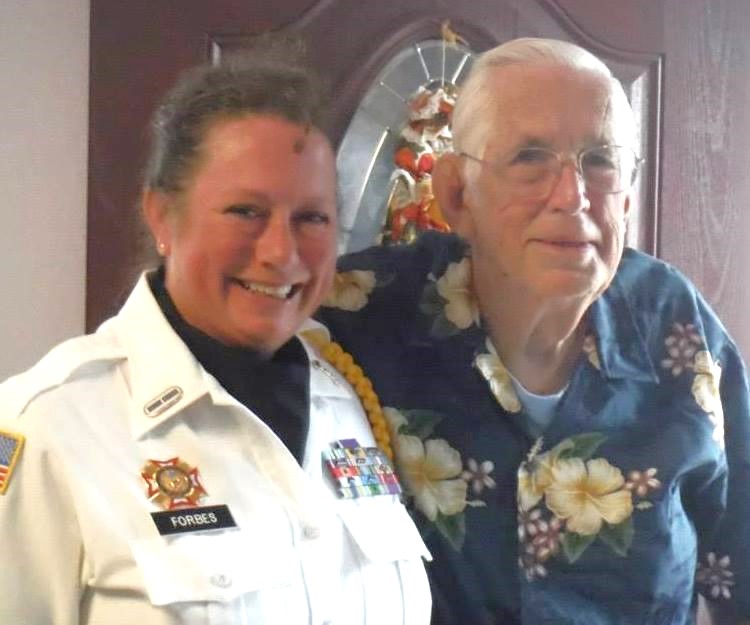


Rebecca (Gilmore) Forbes is a 57-year-old veteran who served for 11 years. She joined the Air Force at age 17 on Oct. 6, 1986. Due to being so young, her parents had to sign for her in order to join.
She received an award for getting many recruits from her graduating class. Her father was in the Marine Corps during Vietnam and was her motivation to join the military. She also had a grandfather who was in the Navy during World War II, and a brother in the Marines.
“I wanted to serve my country, and back in the ‘80s we still had the American spirit and American pride,” Forbes said. “Although looking back, some of the things we got deployed for really (weren’t) for a valid reason,” said Forbes.
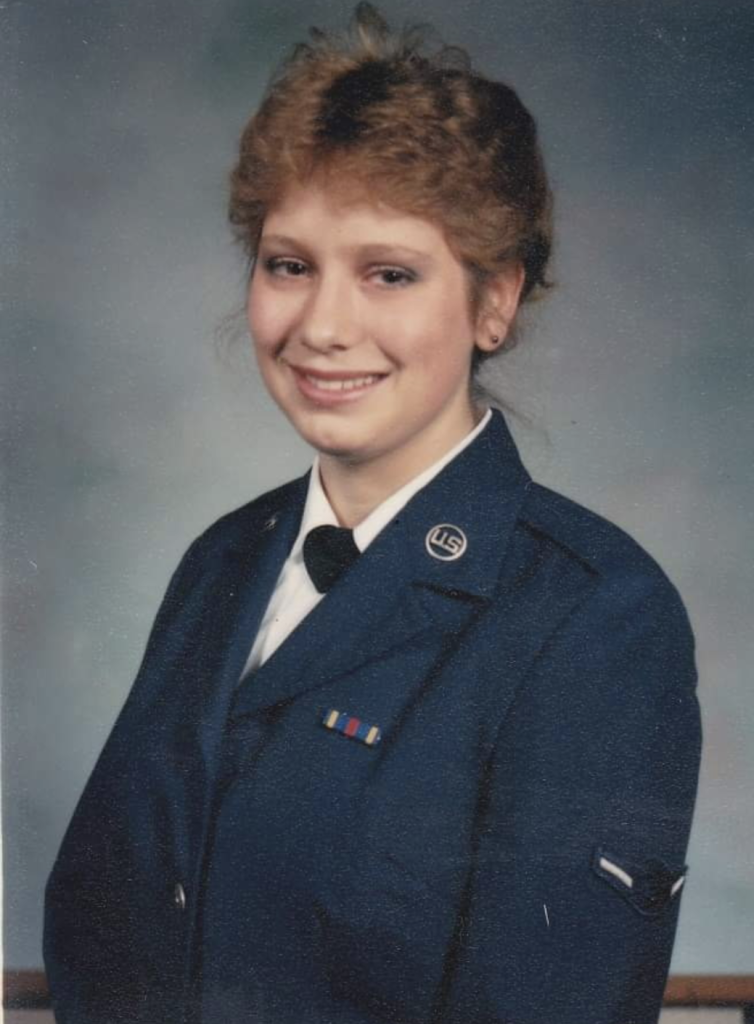
In speaking to Forbes, there were times when she had to stop and take a deep breath, for the memories of some things she experienced were so traumatic.
After joining, she attended basic training in Texas, then went on to Illinois to train in avionics and from there to a nuclear base in Maine which required security clearance.
“There were a lot of moose in Maine that would crash into the maintenance vans — they were pretty terrifying,” said Forbes.
She then mentioned the nuclear alert cage in which she said the yearly re-certifications were pretty brutal. This was a secured area where the planes were locked and loaded; ready to be airborne within 30 minutes.
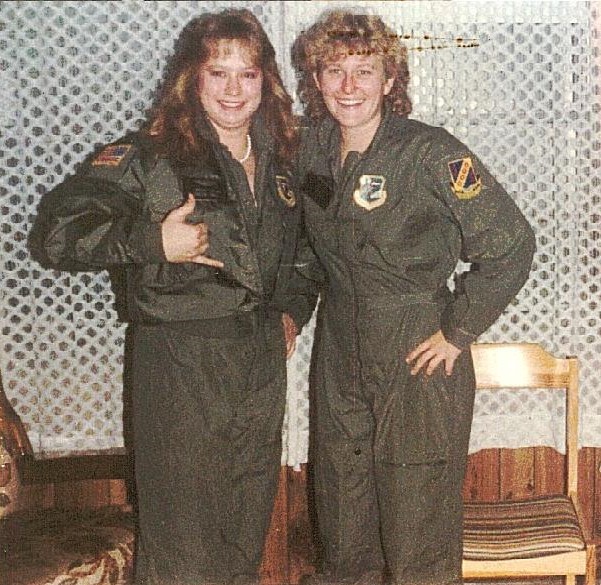
Forbes was part of the nuclear alert air crew and was responsible for the avionics on the B-52s and the KC-135s. She also joined the honor guard while in Maine and to this day continues performing parades, funerals, retirements, promotion ceremonies, and the like.
Soon after, Forbes was transferred to Nellis Airforce Base in Nevada due to a job switch. She opted to begin emergency management which included aircraft crash and recovery, as well as natural disasters.
“My first airplane crash was actually when I was in Maine,” she recalled. “I was 18 years old and part of the command post during the recovery. We had a tanker go over Canada and, on final approach, it blew up.”
Forbes went on to describe some of the traumatizing things she experienced during the recovery.
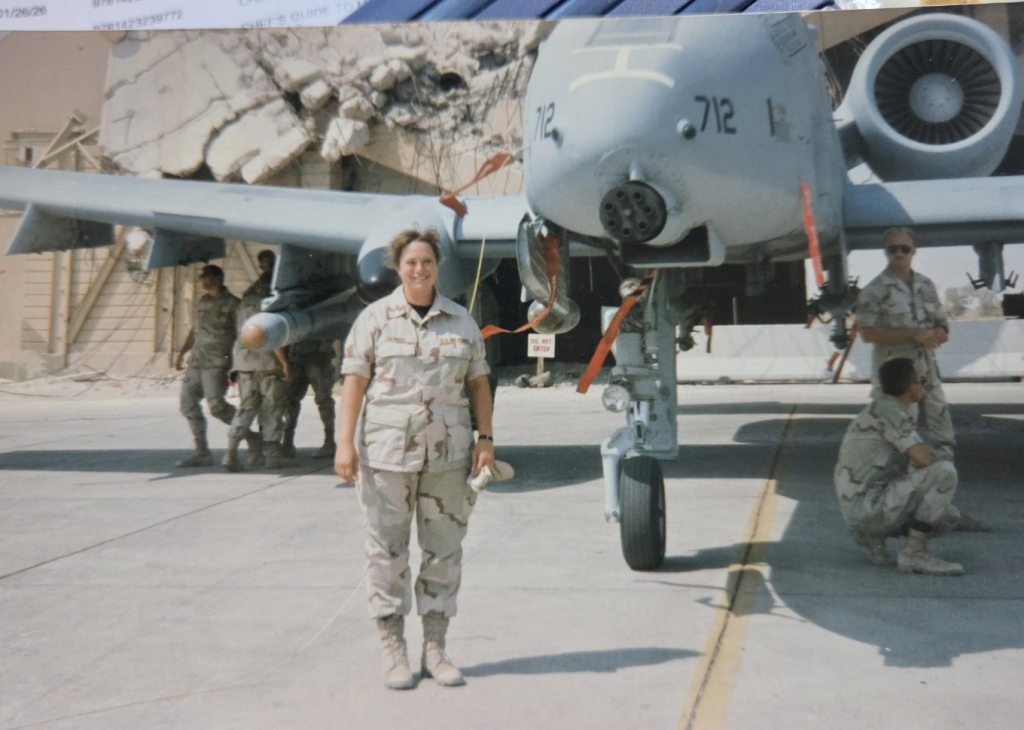
After training in Nellis, Forbes was on the advanced team during her first wartime deployment to Dha Ran, Saudi Arabia. This was her home base, and from there she went to Kuwait to help build a tent city which is to this day Al Jabar, a fortified base.
“Once, when we were coming back from doing range clearances, going out to find an unexploded ordnance and detonating it, we saw a big garbage pile,” she said. “Everybody puts their trash out because the more garbage you have over there, it’s a sign of wealth.”
She spoke of a malfunction during range clearance that day which caused a terrible explosion in which several people with her were injured, and three lost their lives.
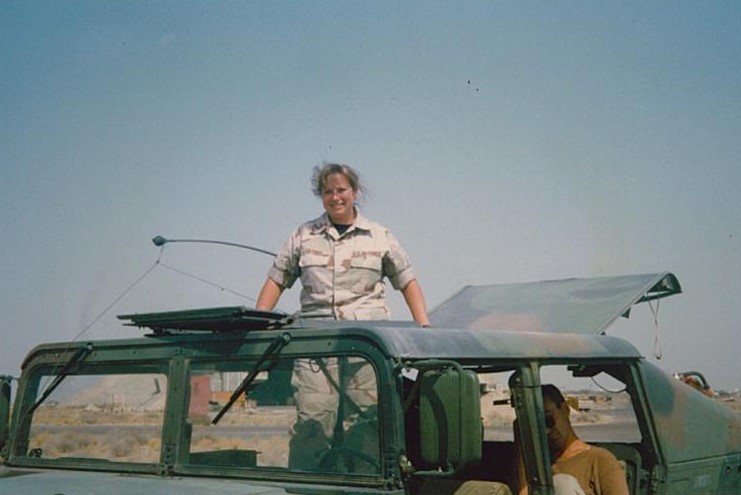
“You just dogpile on top of everybody and always try to save the medic,” Forbes said. “I dove on top of him. You can never get that feeling, that smell, that taste, the remembrance, out of your mind. It’s hard. Two that piled on top of me didn’t make it.”
Forbes had to stop at this point due to post-traumatic stress disorder beginning to set in.
Focusing her attention elsewhere, Forbes told of her next assignment in Korea where she stayed a year.
“We were part of the ASOCS, the Air Support Operations Communications Squadron. I did the plotting and cordoning of adverse targets and activities. Once I was blown down a mountain and lost all my gear. If I would have had a set of skis, I could have enjoyed it.”
She was then transferred to Ellsworth Air Force Base in Rapid City, South Dakota, in 1995.
Forbes healed from the first explosion, but has wounds that will last a lifetime.
She was deployed a second time to the Gulf War in Saudi Arabia and began telling of her experiences during that deployment.
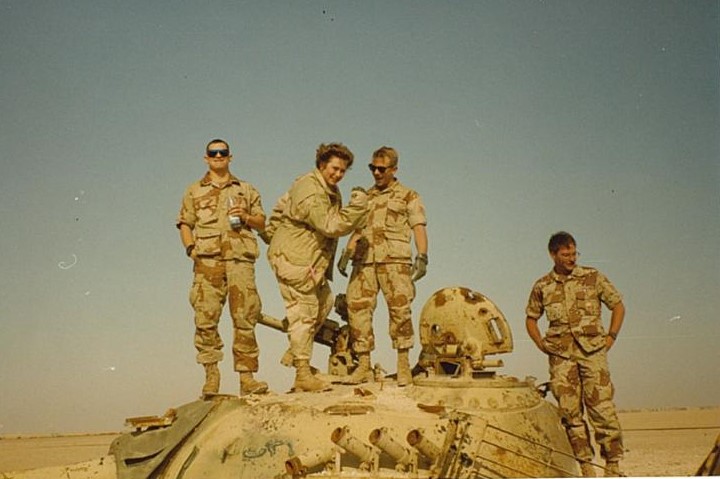
“We had built the base in Kuwait during our first stay. We weren’t allowed to have a Bible there. If the Saudis found one, they would take it, and when leaving our hotel, we always had to have our full body covered. Women couldn’t talk to men, and if a woman’s hair was showing, they would hit us with a switch.”
Forbes spoke of her experience in a second explosion the best she could remember in which a multi-level building was totally defaced: “I was blown across, underneath; I don’t even know how I got out. I don’t remember.”
Two of her close friends were also involved in the explosion.
“I remember seeing one friend, and we had to drag her out across the glass; she didn’t make it,” Forbes recalled. “We also had to drag my other friend out; she had glass in her eye and ended up losing it.
“Both my feet were broken, and I lost some use of them for about four months; I was in a wheelchair for a while. My feet had been totally shredded from the glass and were seriously scarred. I was extremely lucky.
“Glass continued coming out of my skin for about 18 months, and I almost lost my left arm. I was in a 15-level building when it was defaced after a bomb attack; all the bathtubs still intact,” she continued. “I couldn’t take a bath for a long while because just remembering the bathtubs caused me to have post-traumatic stress disorder; I had to use an outdoor hose or a shower instead.”
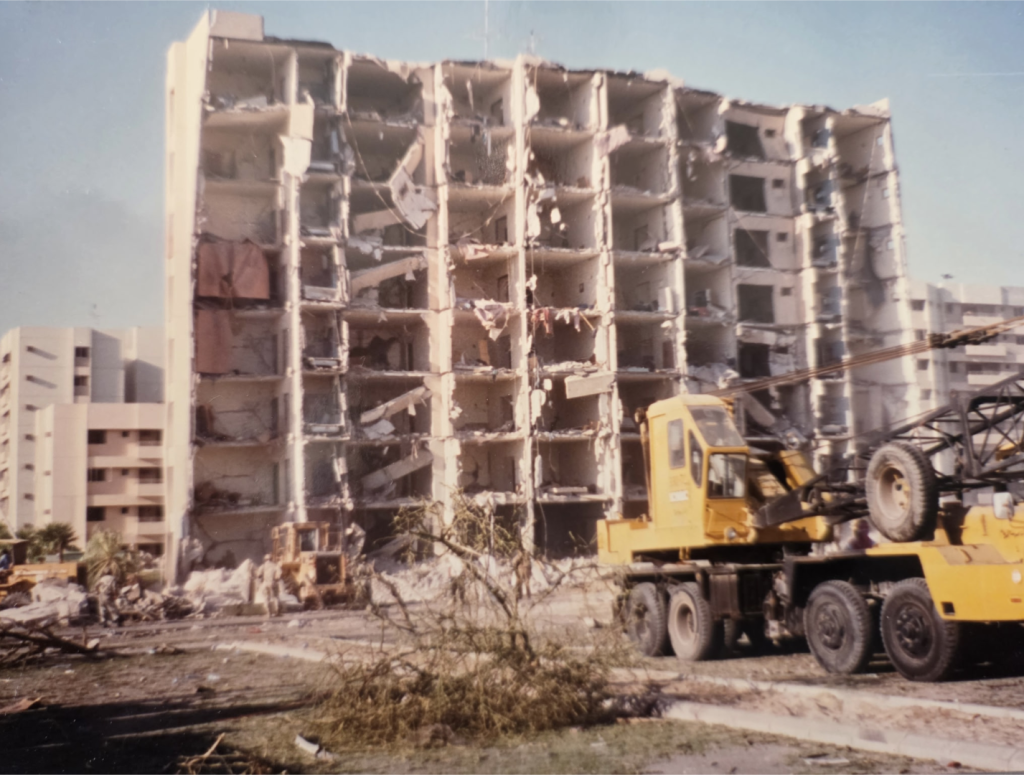
It took Forbes around 18 months to recover from this explosion. At this point, she had to redirect her focus again due to the traumatizing memories.
After that, she was transferred back to Ellsworth Air Force Base where she recovered from her massive injuries. She received a Purple Heart, two Commendation Medals with a Valor Device, four Air Force Achievement Medals, as well as many other medals and awards.
Forbes then spoke of the time she was stationed at Ellsworth, closing missile sites across Montana, North Dakota, South Dakota, Wyoming and Idaho.
“A lot of it was Indian land, so when you went to close the sites down, you had to monitor and cap the wells as well as lots of environmental studies abating for hazardous chemicals; it’s a year’s worth of paperwork because of all the regulations due to it being native land, while other areas were minimally abated for hazardous chemicals. While in Ellsworth… we came upon an old World War II unexploded bomb. We had to respond to make sure it was inert.”
Forbes separated from the Air Force while at Ellsworth in 1997 as staff sergeant, and became a civilian working for a real estate property office in civil engineering as an Air Force civilian.
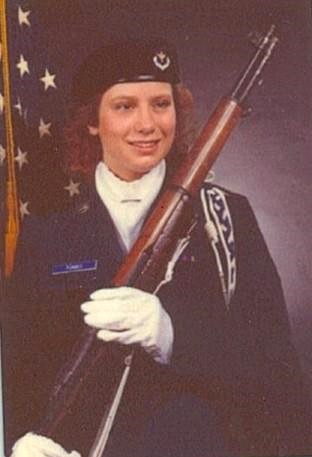
“The second time deploying was enough for me, I needed to get out,” she said. “I was fighting nightmares, and they were getting way worse. I wasn’t enjoying my job anymore and a lot of politics were going on. Some of the reasons they gave for going over for the first Gulf War, ended up not being right; it was hard to continue on.”
Forbes mentioned that some information still could not be revealed due to the oath she took.
“I had a whole life after the military,” she continued. “I did IT installations and was in tower two a week before it came down on 9-11; I was supposed to be there that day, but finished the job earlier.
“I feel like a cat on my eighth life. I’ve escaped death so many times, I just can’t tell you. When I first came out of the military, they had me on 14 different meds, and I was getting addicted. It took me three years to wean myself off of everything.”
Forbes moved to North Carolina in 2014.
“I met Bill Craddock at an American Legion meeting here, and he has been a big part of my life since moving to North Carolina,” she said. “He saved dying children from a burning building; he is my hero. He has allowed me to join the honor guard here and become part of the Veteran’s Council; he was my commander. He tutored me and gave me a place here where I could continue to do this. Not many states still have honor guards. We went to the national championship in Baltimore in 2014 and won first place in the Honor Guard. It is a hard commitment that takes a lot of practice.”
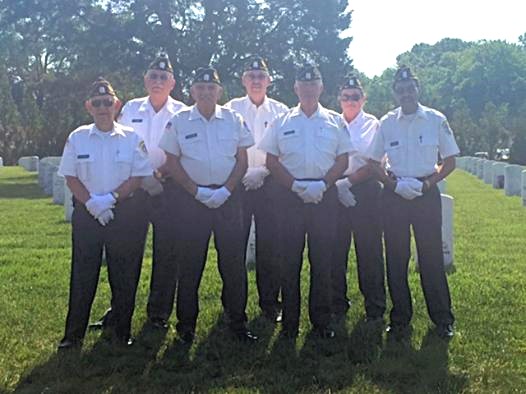
Forbes also worked for six years as a service officer with Veterans Affairs, helping veterans get their benefits.
“I learned a lot from them and they learned a lot from me,” she said. “They can spread the word to let other veterans know they have things coming to them.”
Forbes has since retired from the job due to trying to get her health back in order from a few surgeries, but is still volunteering and has received a Service Officer of the Year Award.
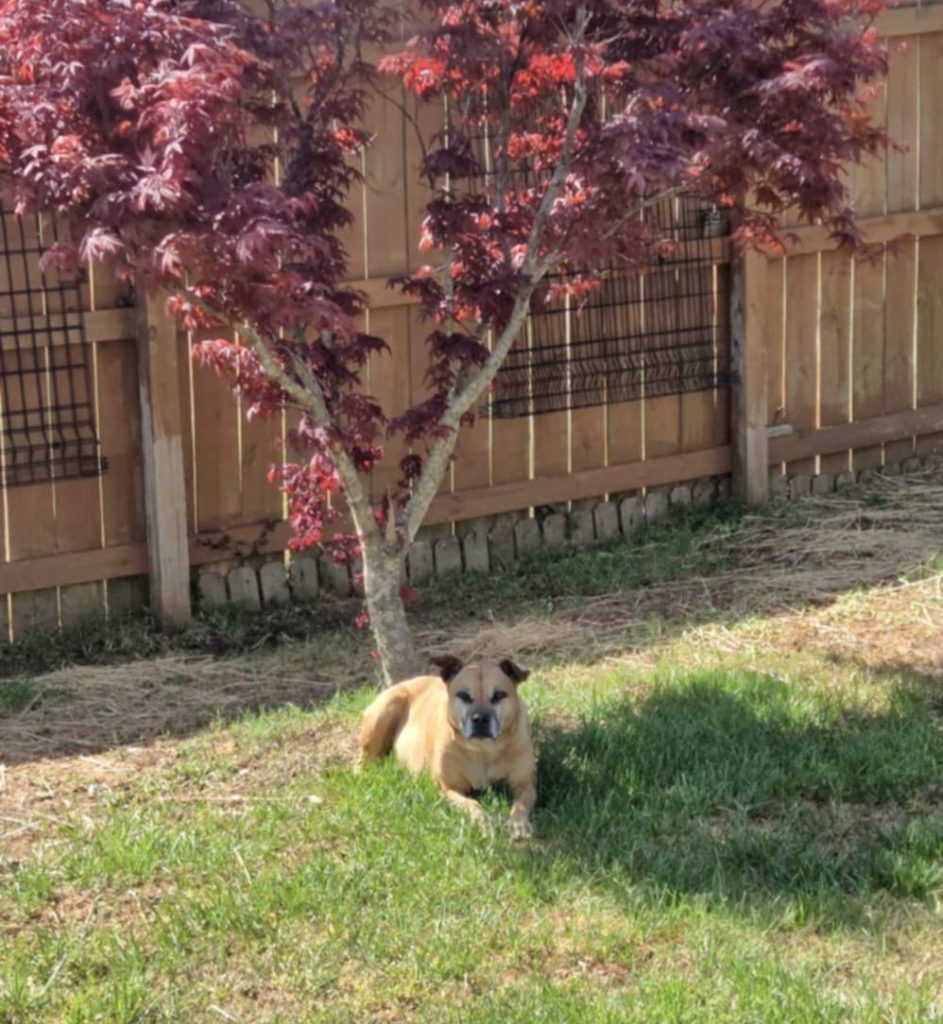
“I have some assistance devices, but don’t need them all the time now,” she said. “I’m getting stronger. I always have Molly, my service dog. She knows when I’m having an episode at night; she sticks her nose in my side and wakes me up. She helps me; she’s saved me from many depressing moments. I’ve had her since 2021; she picked me at a rescue, and I’m grateful for her every day.
“I still live with problems from my brain being scarred, lung problems from the heavy metal burn pits (COPD), skin problems, and the sand mite problems lasted for around two years after returning to the states.”
She also has shrapnel all throughout her body from the explosions and continues to have problems with her feet.
Some of Forbes’ interests are drawing and poetry and she is published in the International Library of Poetry under her previous married name of Gilmore. She also journals quite a bit with the possibility of writing a book sometime later.