


Kenneth Michael “Mike” DeCuir was born in Fort Worth, Texas, but grew up all over the world due to his father being a pilot in the United States Air Force, and served in the same branch for 32 years.
“Ultimately, I believe that I probably saw too many fighter pilot movies and was motivated to join the Air Force to be a fighter pilot,” DeCuir said in a recent interview. “It must have been in my genes, because my brother became a fighter pilot, my cousin became a fighter pilot, and we all flew the same planes at the same time but were never stationed together.”
Within DeCuir’s many years of service, he went through lots of training and numerous deployments. In 1968, DeCuir attended the University of South Carolina and went through the Reserve Officers’ Training Corps, graduating in 1973.
“It took me a little longer to graduate due to not applying myself to studies as I should have,” he said.
DeCuir had to wait for active duty due to an ongoing oil crisis, then went to Texas for pilot training and graduated in 1975.
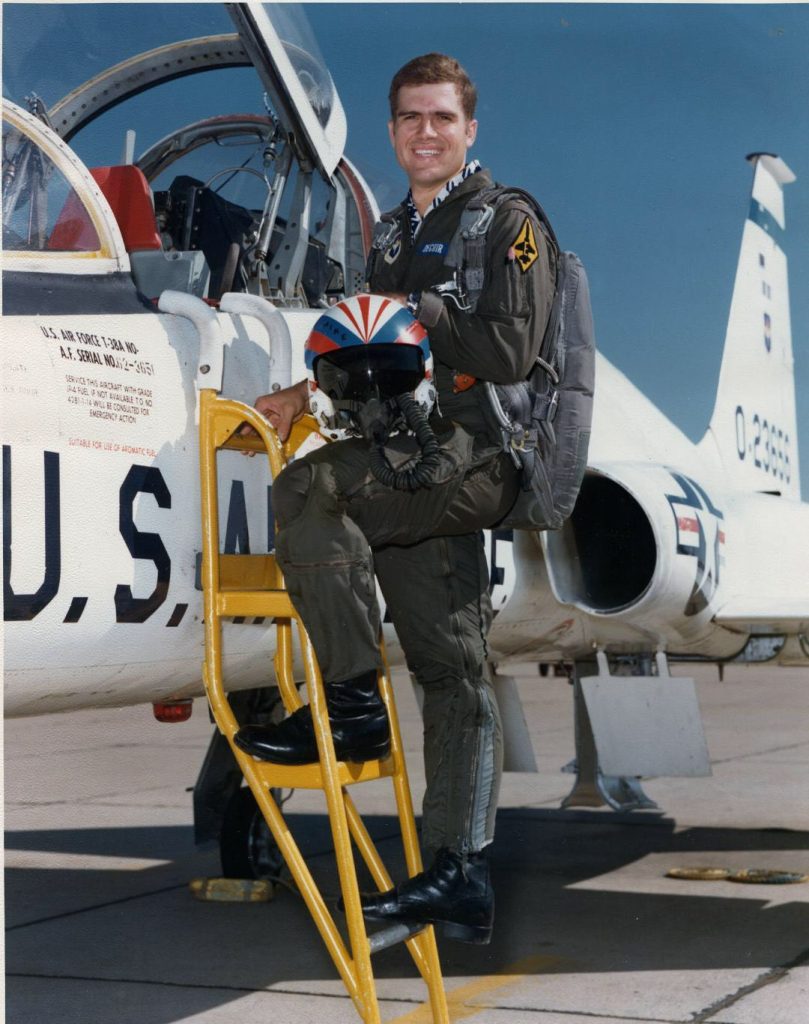
“It was a very intense year of training,” he recalled. “At the time of graduation, how high you got determined what type of aircraft you were able to get. I wanted a fighter plane and was pretty proud that I graduated high enough to be selected to be a fighter pilot.”
Afterwards, DeCuir entered the required training programs in survival schools and fighter lead-in training, qualifying to be assigned to Hahn Air Base in West Germany as an F-4E instructor pilot with the 496th Tactical Fighter Squadron, where he was stationed for about three years.
“It was pretty interesting to live overseas as a military member,” he recalled. “At that time, we were serving with NATO, and it was the Cold War. It was an eye-opener being overseas doing that kind of a mission.”
He was then sent to Osan Air Base in South Korea for a year, then to Luke Air Force Base in Arizona with the Replacement Training Unit for a year. After that, he trained as an F-15A instructor pilot with the 7th Tactical Fighter Squadron at Holloman Air Force Base in New Mexico.
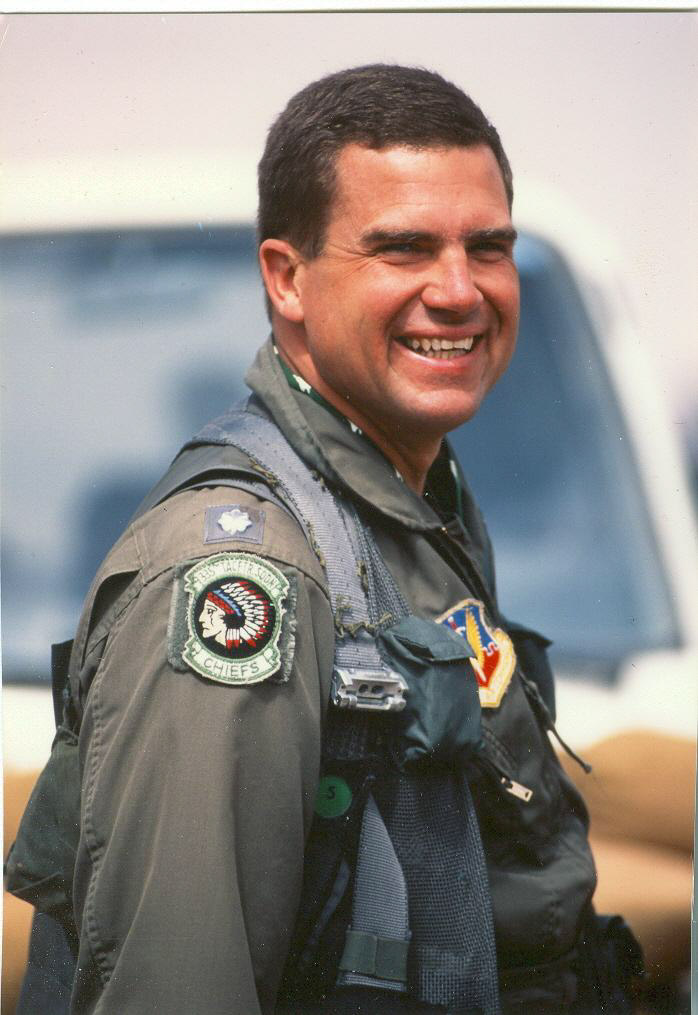
“After New Mexico, in 1982, I volunteered for an assignment in Suffolk, England for three years with the Royal Air Force as an exchange officer; great assignment, I learned a lot,” DeCuir said. I saw a different perspective of the country. After that, I was sent to Naples, Italy to become a military aid to a three-star commander. After leaving there, I became the executive officer to the same three-star when he became the vice commander of Tactical Air Command.
“Soon after, he retired so I was selected as the initial cadre in the F-15E Strike Eagle and was assigned to Seymour Johnson AFB in Goldsboro,” he continued. This was my first and last opportunity to bring in a brand new airplane into the force. To see it start from scratch was neat. I ended up being there for five years, the longest I’ve ever been at any place.”
During that five-year period, DeCuir was deployed for a year to serve in Operation Desert Storm. He said as the events in 1990 began transpiring in Iraq and Kuwait that they started activating units to deploy. They were told their unit wouldn’t be deployed, then were told they would be deployed last — then, all of a sudden, they received notice that they would be deploying the very next day.
“All within 12 hours we went from not going anywhere, to going right now,” he said. “I remember going home that night and telling my wife that we would only be gone two weeks — but instead we came home 12 months later.
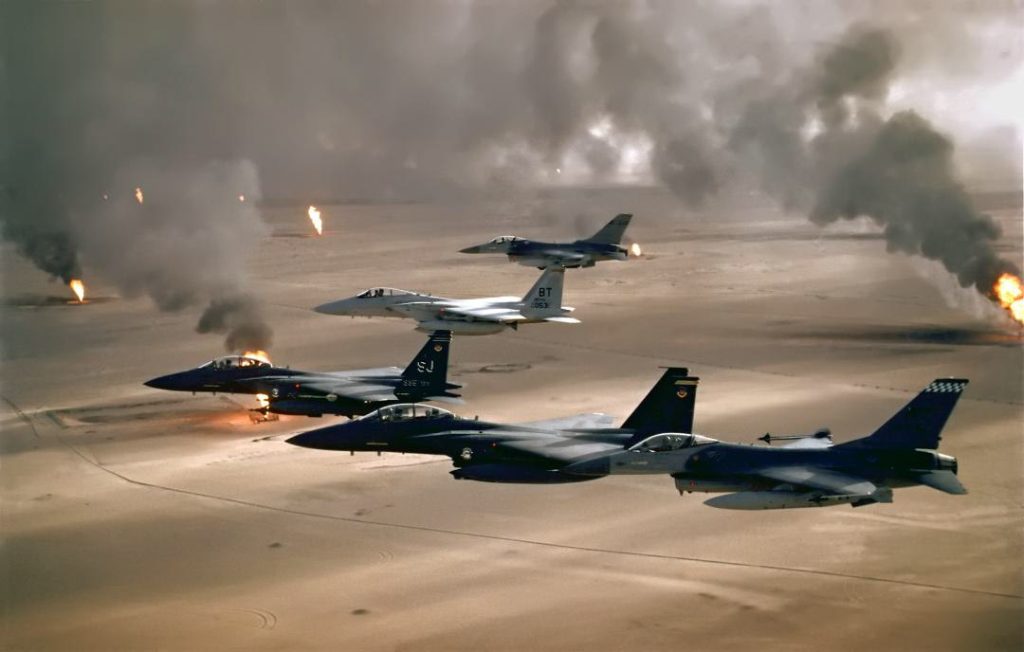
“It is extremely difficult for the role of the spouse and family when moving around, as well as the deployments,” DeCuir added. “When I left and went to the war, someone had to do the things that I couldn’t do. The families pull together. My daughter went to three different high schools in three different countries. It affects the families in different ways — it’s a tough lifestyle.”
DeCuir said he had been training to go to war since he was a second lieutenant. By the time he was a lieutenant colonel at Seymour Johnson, he said he figured he’d never see combat.
“It’s kind of like being a lifeguard, and you’re a lifeguard forever and never save anybody,” he said. Then suddenly the war started.”
Halfway there, DeCuir said they changed their destination to Thumrait, a small base in the desert in Oman — none of them had ever heard of it.
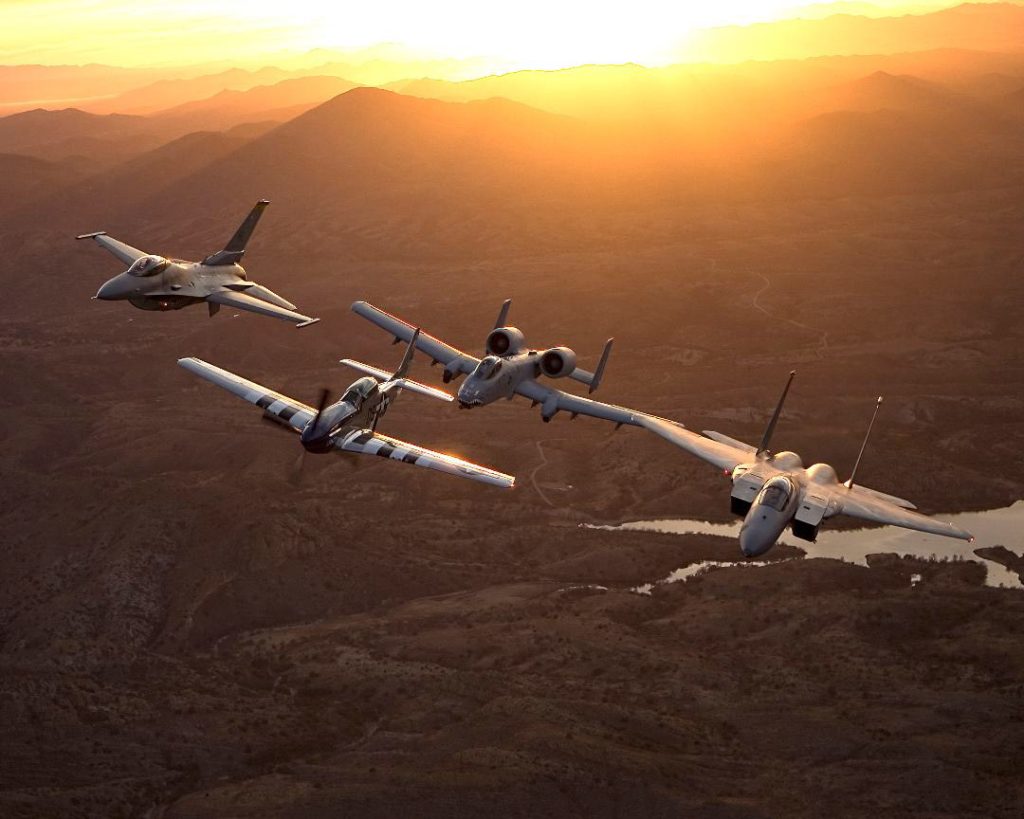
“We landed and loaded the weapons,” he recalled. “We were on alert for about four months, then moved to Al Kharj, Saudi Arabia, to be closer in case there were hostilities. It was in the middle of nowhere.
DeCuir said there were two squadrons there several weeks before the war started — the 335th and 336th. He was made operations officer of the 335th during the war and later named commander.
The war lasted six weeks and was over in February of 1991.
During Desert Storm, DeCuir said he flew 48 combat missions, primarily at night.
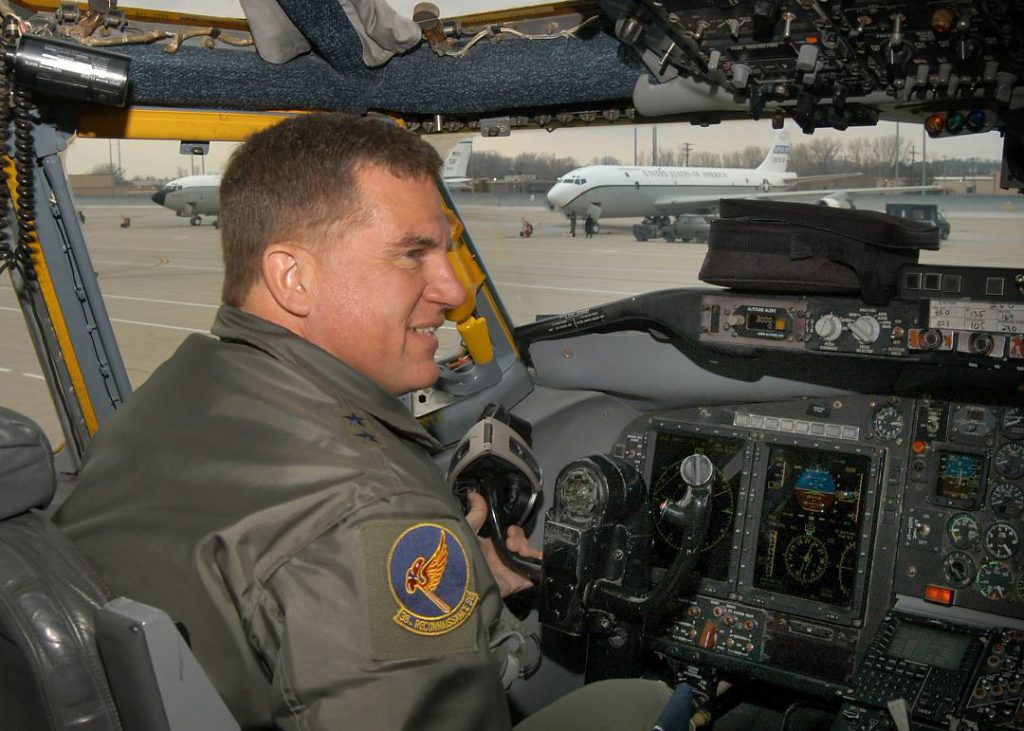
“I actually was able to see combat and learned a lot of lessons during that operation,” he said. “We had Operation Desert Storm preceding the war, and while we were there during the early stages, cargo planes were flying in every 30 minutes with supplies.
“I remember thinking nobody in the world could do this but the United States of America,” he continued. “There were also tankers that enabled us to do what we needed to do. I was so impressed by that.
“Things I didn’t expect to learn (were) that tankers were so crucial, adaptable, and flexible as well as the cargo planes that kept bringing stuff in over again and again. It made me so proud to be in an organization that could do that.”
DeCuir said he learned of things during combat that he had heard about, but never experienced.
“When you go out there to perform your mission, you are going out there to perform for the guys you are doing it with,” he said. “You don’t want to let them down.
“You talk to any combat veteran, and that’s one lesson that you will hear over and over again. When you go out there, and it’s all on the line, you are doing it for the people next to you — not for anything else.”
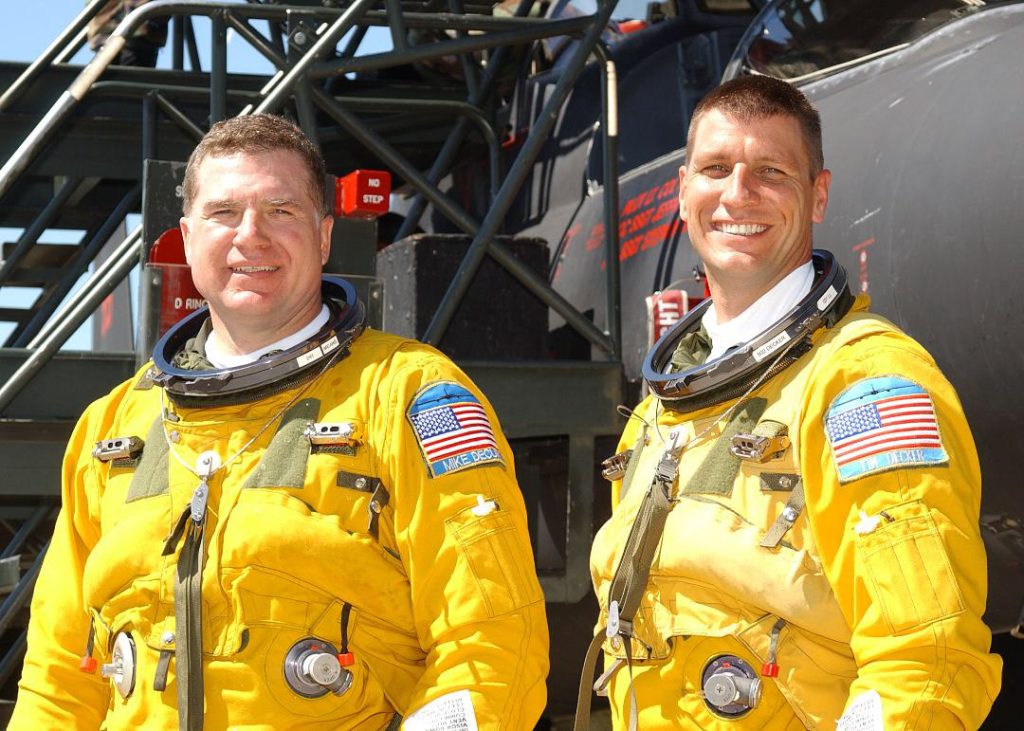
DeCuir also mentioned hearing about situations in combat that were absolutely true — one being, that, in combat, there are hours of boredom with spurts of seconds of sheer terror.
“The actual getting shot at heightens your senses and raises the decibels of your voice,” he said. “Overall, that whole operation came together and showed me just how professional and capable the military of the United States of America really is. When they have to do something, they’ll do it.”
There was a tent city that had been built for them to live in when they arrived for combat, and they got one hot meal a day with MREs as other meals: “We were lucky…the guys up front only got MREs.”
Decuir added that they had to send their clothing off in a bag to be washed. When they got their clothes back, they were tan because of the discolored water.
After the war, DeCuir went back to Seymour Johnson and was promoted to colonel the following year.
His next assignment was in Canada where he attended defense college in Kingston, Ontario. He then was assigned to Lakenheath, England as the operations group commander of the 48th Fighter Wing, then to Sheppard Air Force Base in Texas as commander of the Euro-NATO Joint Jet Pilot Training Program.
After that assignment, DeCuir was sent to the Pentagon for 18 months as deputy director for Joint Matters at the headquarters of the U.S. Air Force. There he received his first star.
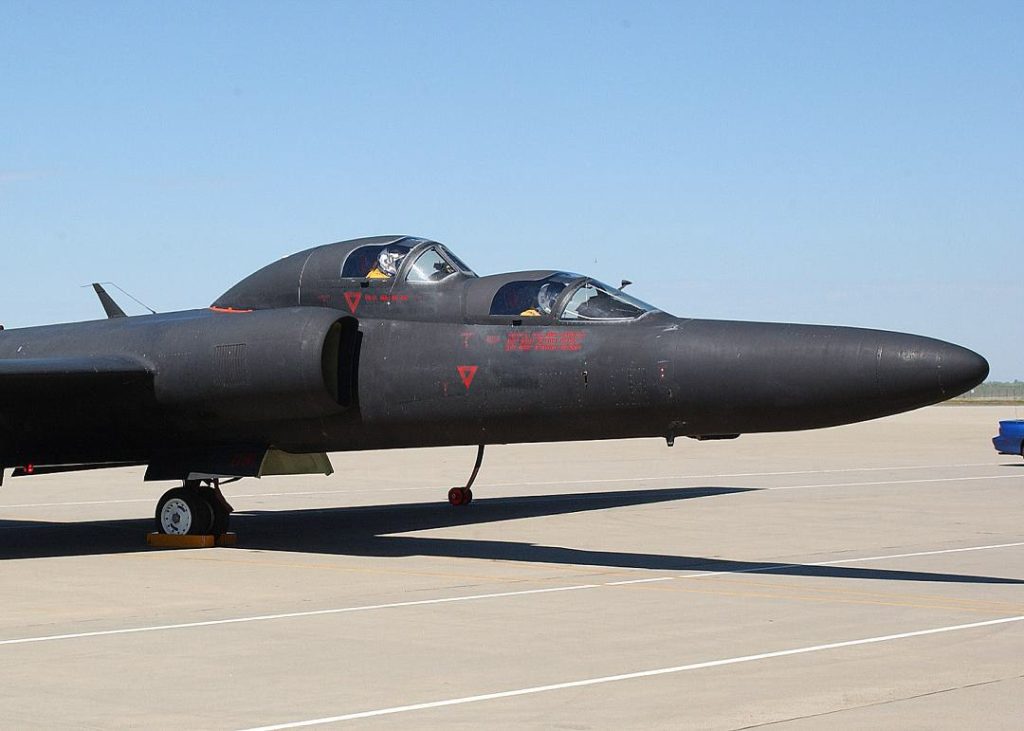
“I was the senior planner for the United States Air Force,” he said. “We would be tasked with different things, whatever the joint staff needed. We had the capability to approve or disapprove, depending on the request. Eighteen months was a short time to be at the Pentagon, I was really excited about not being there at all.”
From there he was sent to Eielson Air Force Base in Alaska as wing commander and flew the F-16 the two years he was there. Making another round back to Canada in 2001 was DeCuir’s next stop as deputy commander of the Canadian NORAD Region.
“This was an interesting assignment, especially since during this time frame, September 11th happened,” he said. “Following this assignment, I was sent to Colorado Springs where I was in charge of the Cheyenne Mountain Complex. It was interesting being inside the mountain and doing missile warning for the U.S.”
At this point, DeCuir was a two-star general. He was then sent to the Headquarters Air Combat Command at Langley AFB in Virginia where he was director of Air and Space Operations for a couple of years. DeCuir stayed at Langley as vice commander until he retired in 2007.
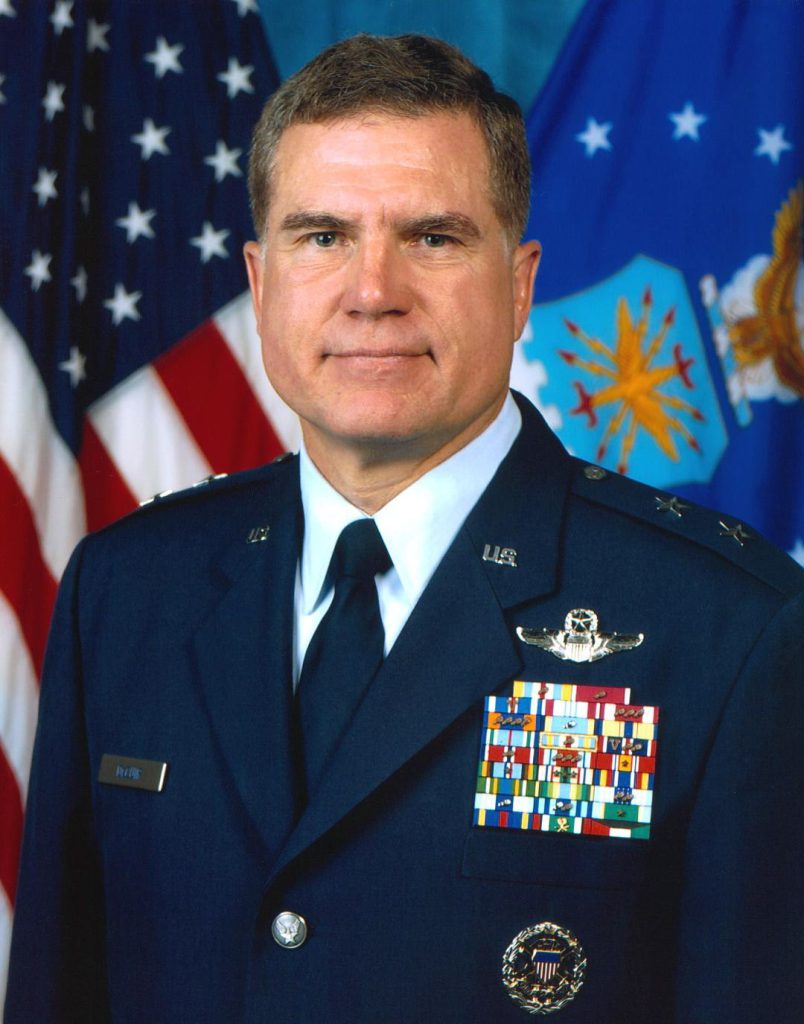
During DeCuir’s 32-years of service, he received eight promotions as well as numerous awards and medals, including, Distinguished Service Medal; Defense Superior Service Medal with oak leaf cluster; Legion of Merit with oak leaf cluster; Distinguished Flying Cross with V device; Defense Meritorious Service Medal; Meritorious Service Medal with three oak leaf clusters; Air Medal with four oak leaf clusters; Aerial Achievement Medal with silver oak leaf cluster; Air Force Commendation Medal; Joint Service Achievement Medal; Combat Readiness Medal with three oak leaf clusters; and National Defense Service Medal with bronze star.
DeCuir is a member of the VFW Post 6183 in Norwood. He, along with many others from various foreign wars meet and fellowship each month, all having the common bond of serving in combat. “Some have gone through some pretty drastic things and suffer (from) PTSD,” he said. “It is a great place for folks to come together and share common experiences, as well as taking care of one another.”
DeCuir considers himself “very fortunate” during his military career.
“I got great assignments, I had great opportunities. It was a wonderful career,” he said. “I think anytime you get to be a commander of something, that’s very gratifying and challenging. I was lucky enough to be the commander of a fighter squadron.
DeCuir said when he first joined the Air Force, his goal was to be the commander of a fighter squadron — which he accomplished.
I never thought beyond that, so the fact that I was lucky enough to become commanders of bigger and more responsible units and be promoted was great,” he said. “I think that is a good lesson for life: do the best at the job you have, then good things will happen. Don’t worry about being promoted.”
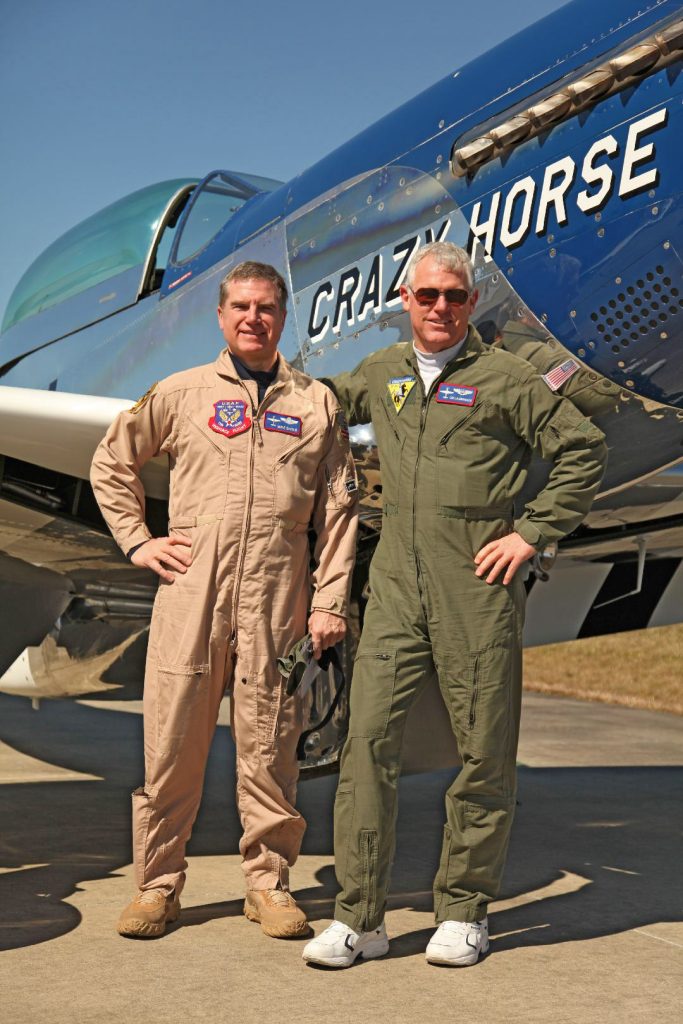
DeCuir said he believes that every American should serve at least four years in the military.
“It sets you up for the rest of life,” he said. “They teach you a skill, give you a valuable experience, they pay you the whole time, and if you are lucky, you’ll get to do a little traveling to see the rest of the world.
“It also teaches you discipline and patriotism. It gives you a common bond with others. People ask me if I miss the flying, but what I miss most is the camaraderie of the people.”